Whiteout
& Black Dog
Noir
Double Bill of choreographic work by Marco Goecke and Jeroen Verbruggen
12-14 June
Jersey Opera House





Friends,
Thank you for joining us for this performance.
At Ballet d'Jèrri, we often speak about building a company that belongs to Jersey while remaining connected to the wider world. This evening feels like a particularly poignant expression of that idea. Alongside Whiteout, Marco Goecke's modern classic, which Ballet d'Jèrri was proud to introduce to British audiences last year, we are delighted to present the world premiere of Black Dog Noir, a new work by the remarkable Belgian choreographer Jeroen Verbruggen.
For me, there is a lovely symmetry in bringing these two artists together. Jeroen and I were both dancers with Les Ballets de Monte-Carlo, where he was the leading role in the original cast of Whiteout. Years later, it is a privilege to welcome him to Jersey to create something entirely new, inspired by the stories, landscapes and folklore of the Island I now call home.
This programme is also a reminder that a dance company is much more than the performances you see on stage. Before the curtain rises here at the Opera House on Friday night, a group of students from St Mary's School will be representing Ballet d'Jèrri at the King's Birthday Celebration at Government House, performing choreography they created themselves through our education programme. Seeing those young people discover their own artistic voices feels just as important to our future as presenting the work of internationally celebrated choreographers.
Dance has a unique ability to connect us to places, to stories, to one another, and sometimes to parts of ourselves that are difficult to put into words. I hope you leave this evening having felt something unexpected.
Thank you for being here, and thank you for being part of our community.
Warm Regards,
Carolyn Rose Ramsay
– Founding Artistic Director, Ballet d’Jèrri

ACT I
Whiteout
By Marco Goecke
Original lighting design: Udo Haberland
Relighting: KJ and Jersey Opera House
Costumes: Michaela Springer
Music: Bob Dylan
Cast
Harri James Eiffert
Donovan Délis-McCarthy
Stanley Young
Layla May Bruce
Roman Ho Zimbalatti
Ombline Noyer
Tabitha Dombroski
Joshua Swain
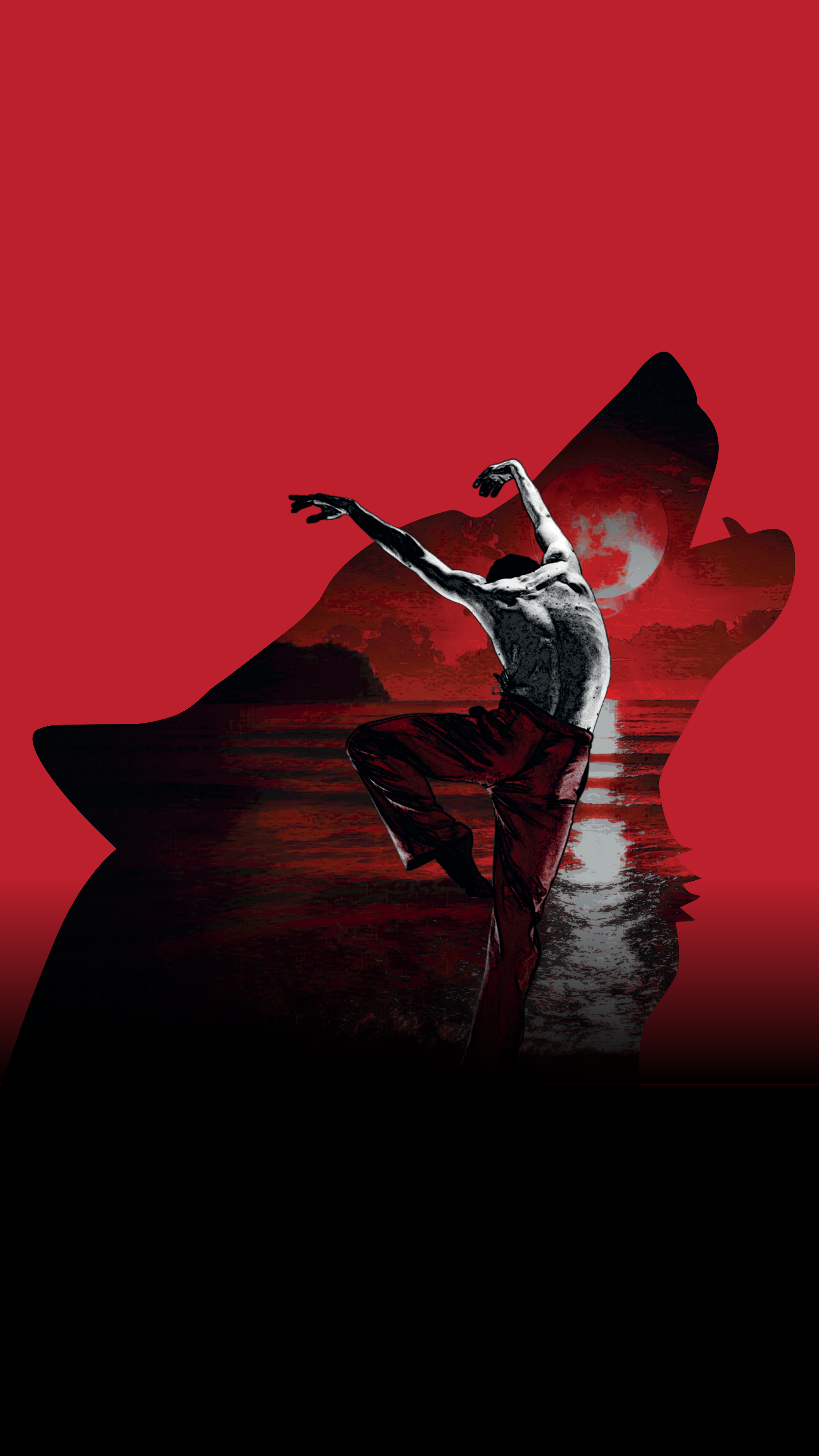
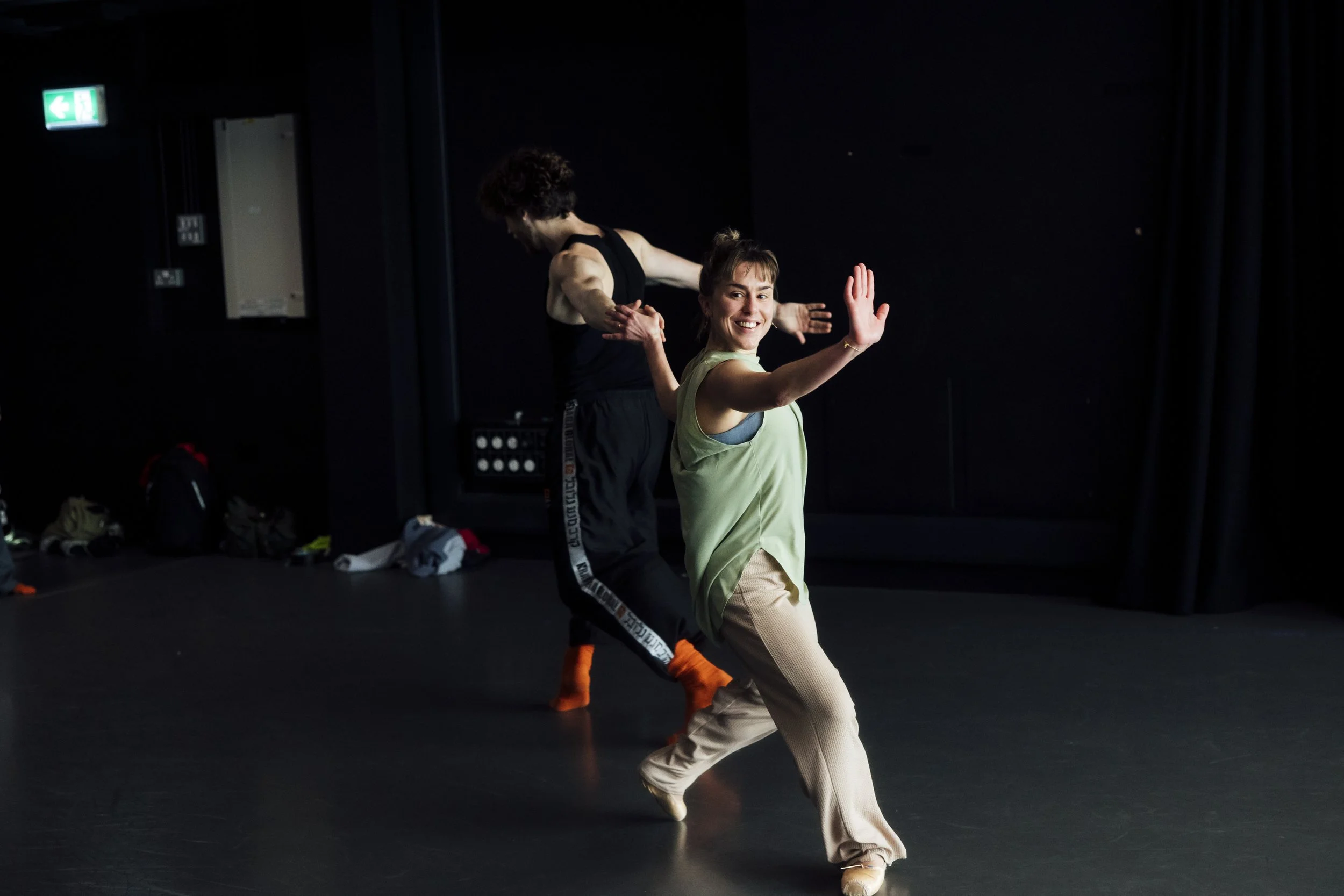
Created in 2008 for Les Ballets de Monte-Carlo, Whiteout is one of the early masterpieces of German choreographer Marco Goecke and remains among his most widely performed works. Set to the music of Bob Dylan, the ballet introduced audiences to a choreographic voice that would go on to redefine contemporary ballet and establish Goecke as one of the most distinctive artists of his generation. Since its premiere on the terraces of the Monte-Carlo Casino, Whiteout has entered the repertoires of companies around the world. In 2025, Ballet d'Jèrri introduced the work to British audiences, giving Whiteout its British premiere.
At first glance, Goecke's choreography can seem almost impossible to describe. Bodies flicker with astonishing speed. Hands tremble, flutter and slice through space. Tiny gestures accumulate into something urgent and deeply human. Dancers appear caught between vulnerability and defiance, tenderness and agitation. The result is both intensely physical and strangely intimate, as though private thoughts and emotions have been made visible.
Critics have often struggled to categorise Goecke's work, describing it as sharp, intricate, comic, melancholic and exhilarating all at once. Whiteout unfolds less like a traditional story and more like a series of emotional landscapes, carried forward by Dylan's unmistakable voice and music. There are moments of humour, moments of loneliness, and moments of startling beauty. The ballet invites audiences to experience rather than analyse, to feel rather than decode.
Goecke himself has always resisted explaining what his dances are "about". He prefers to leave interpretation to the audience, believing that meaning emerges through experience rather than instruction. As a result, Whiteout offers no single message and no definitive answer. Some may see longing, others anxiety. Some may find tenderness, hope, or the memory of something almost forgotten. Like a piece of music, the work creates space for each viewer to discover their own meaning within it.
Nearly two decades after its creation, Whiteout remains a striking example of Goecke's artistry: uncompromising, unforgettable, and unlike anything else in contemporary dance.

Marco Goecke is probably the most famous choreographer in the contemporary dance world today. He is renowned for his innovative style and distinct movement quality. Trained in Munich and The Hague, he made his debut at Theater Hagen, where he created his first piece in 2000. He served as a resident choreographer at Stuttgart Ballet and Scapino Ballet Rotterdam before joining Nederlands Dans Theater. From 2019 to 2023, he directed the ballet of Staatsballett Hannover, continuing his exploration of a unique choreographic language. His work, performed by prestigious companies such as the Paris Opera, includes more than 90 notable creations.
Choreographer Marco Goecke
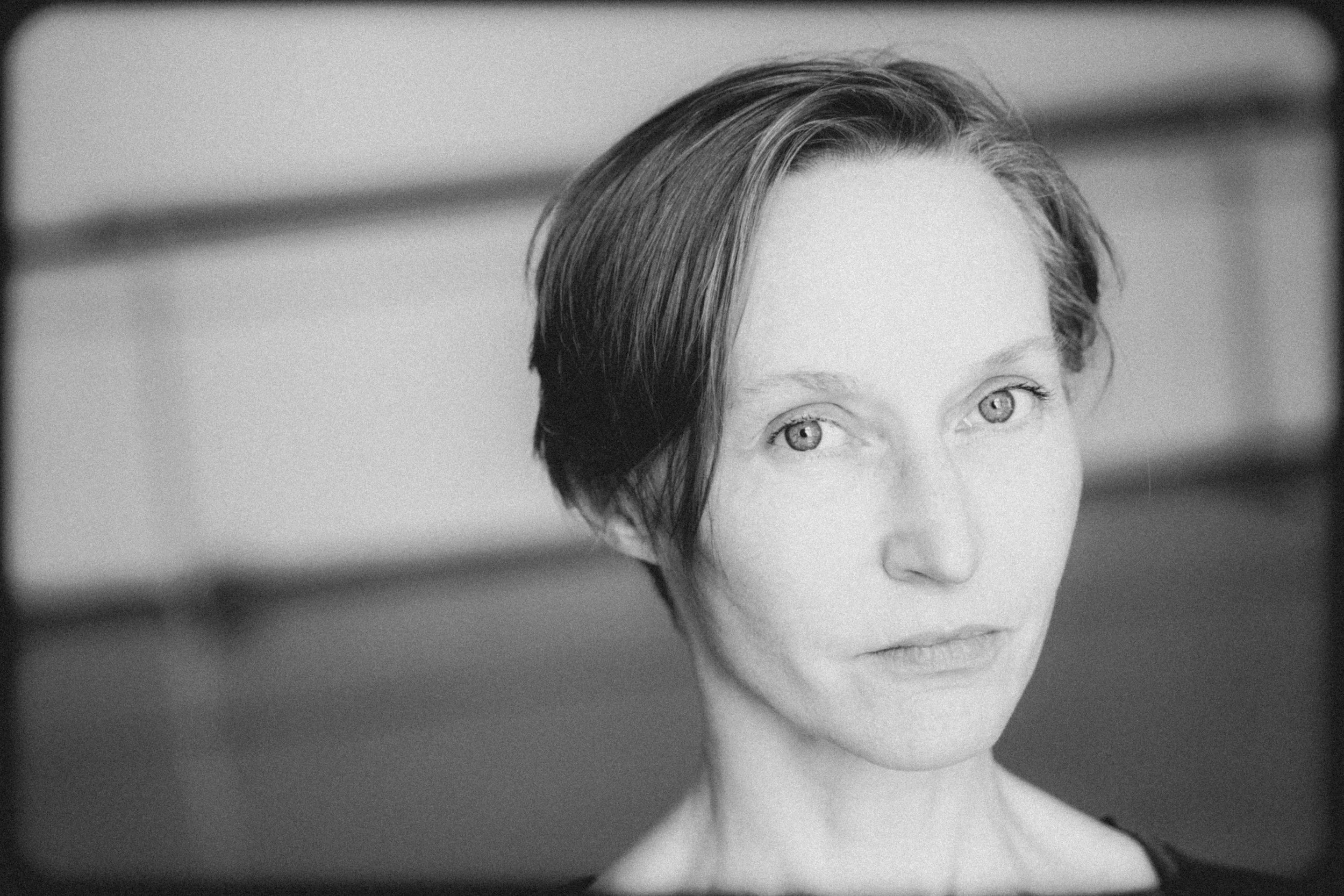
Born in Frankfurt (Main), Nicole Kohlmann trained as a dancer in Frankfurt, Munich, and Mannheim, where she also qualified as a dance pedagogue. She performed with companies such as the State Opera Unter den Linden Berlin, Introdans, and Scapino Ballet Rotterdam, working with choreographers including Maurice Béjart, Ed Wubbe, and Marco Goecke. After her dance career, she studied Theater Studies and Art History at the Free University of Berlin, where she is now completing a Master’s in Dance Science. Since 2012, she has worked as a ballet master, choreographic assistant, and dramaturge, specializing in staging the works of Marco Goecke.
Stager Nicole Kohlmann
ACT II
BLACK DOG
NOIR
World Premiere by
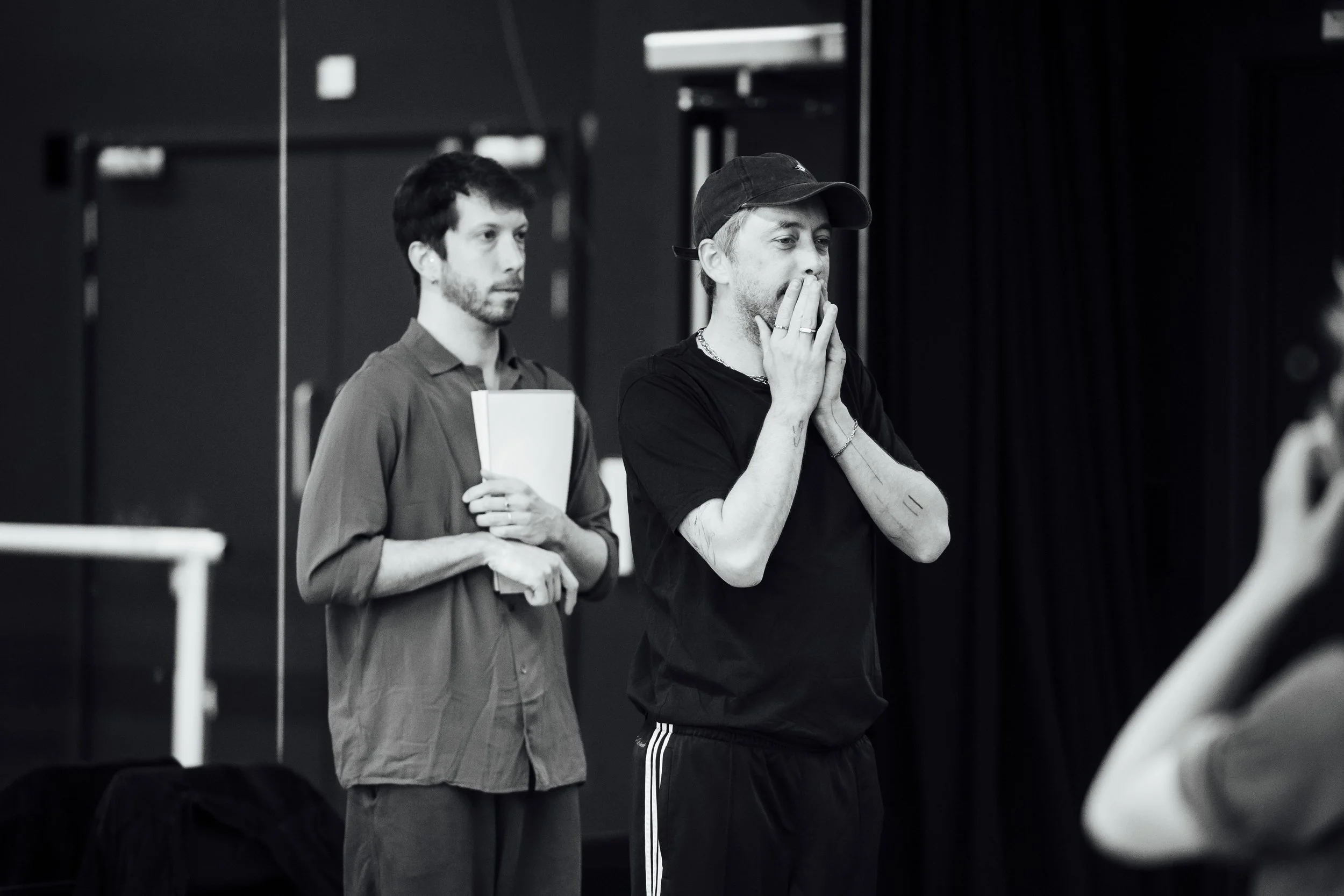
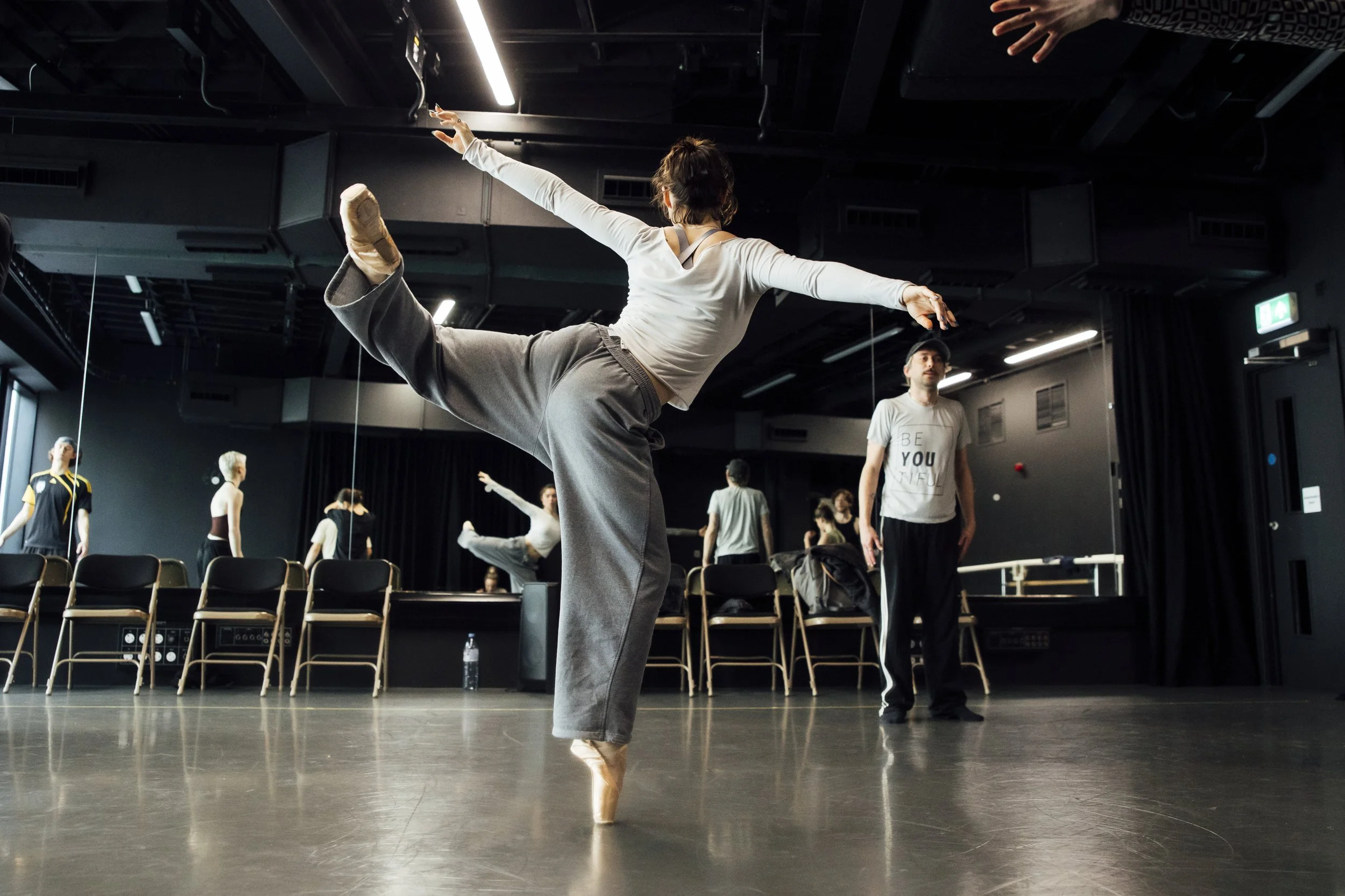
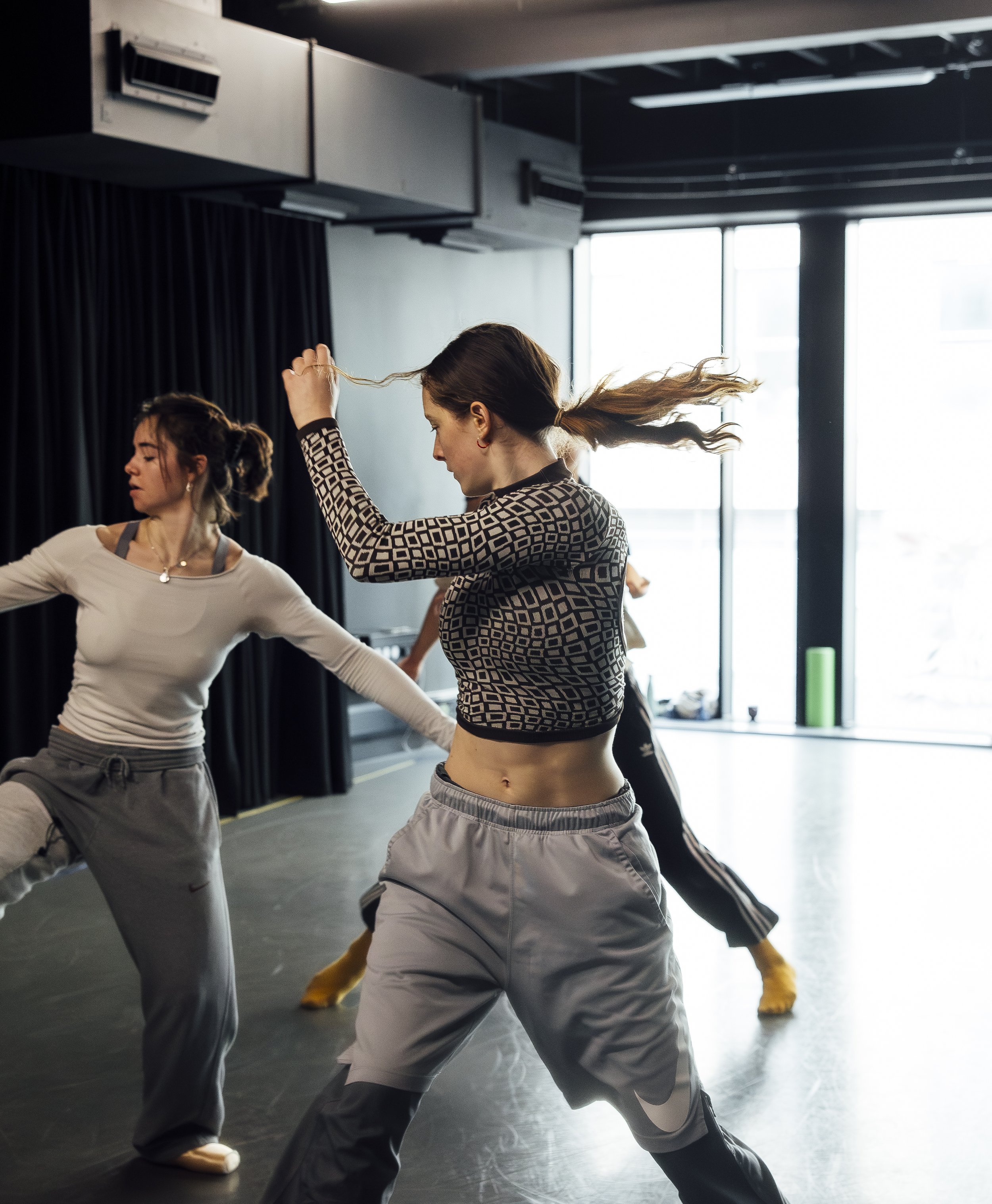
Jeroen Verbruggen
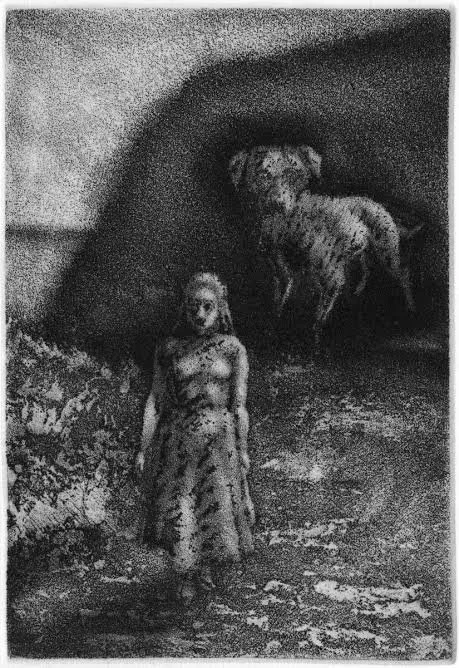
On the cliffs of the bay, they say, a black dog waits, where the tide forgets itself.
Not growling, not hunting, just watching the sea rehearse its grief.
The islanders, familiar with his face, his glowing eyes.
They recognise the sound of his paws hitting the granite before a storm.
They know how to walk beside him, even dance with him.
They know to retreat in time before the lightning strikes.
One day a wanderer arrives.
He only sees teeth and claws. Only hears a growl.
He tries to overcome the dog. He mistakes himself for a rescuer, protecting the islanders from a creature who had only ever watched.
But the dog already knows.
The dog looks at the wanderer with a face mirroring the memories of a past that would not allow him to trust, that would not allow him to see that a dog that does not bite might not need to be contained.
The islanders carry shadows too. Stories lost to time and tide. Laughter scattered into the wind. Words left unsaid. Anger swallowed whole.
Salt that lingers on the skin.
The dog knows those things as well.
The wanderer, too tired to keep performing his sorrow.
The islanders, shining a lantern in the dark. Recognising in him feelings both completely unknown and completely shared.
At last the wanderer learns that every island keeps one last secret buried beneath its fog. He learns to walk alongside the black dog. Even swim with it against the tide. Even laugh with it into the wind.
Even stand with it in the rain until the salt leaves their skin.
So when you hear the sea calling your name, when the night stretches too far to cross, turn around; The black dog is here. Wet from the tide, patient. Waiting for you to walk beside him, at last.
Choreography Jeroen Verbruggen
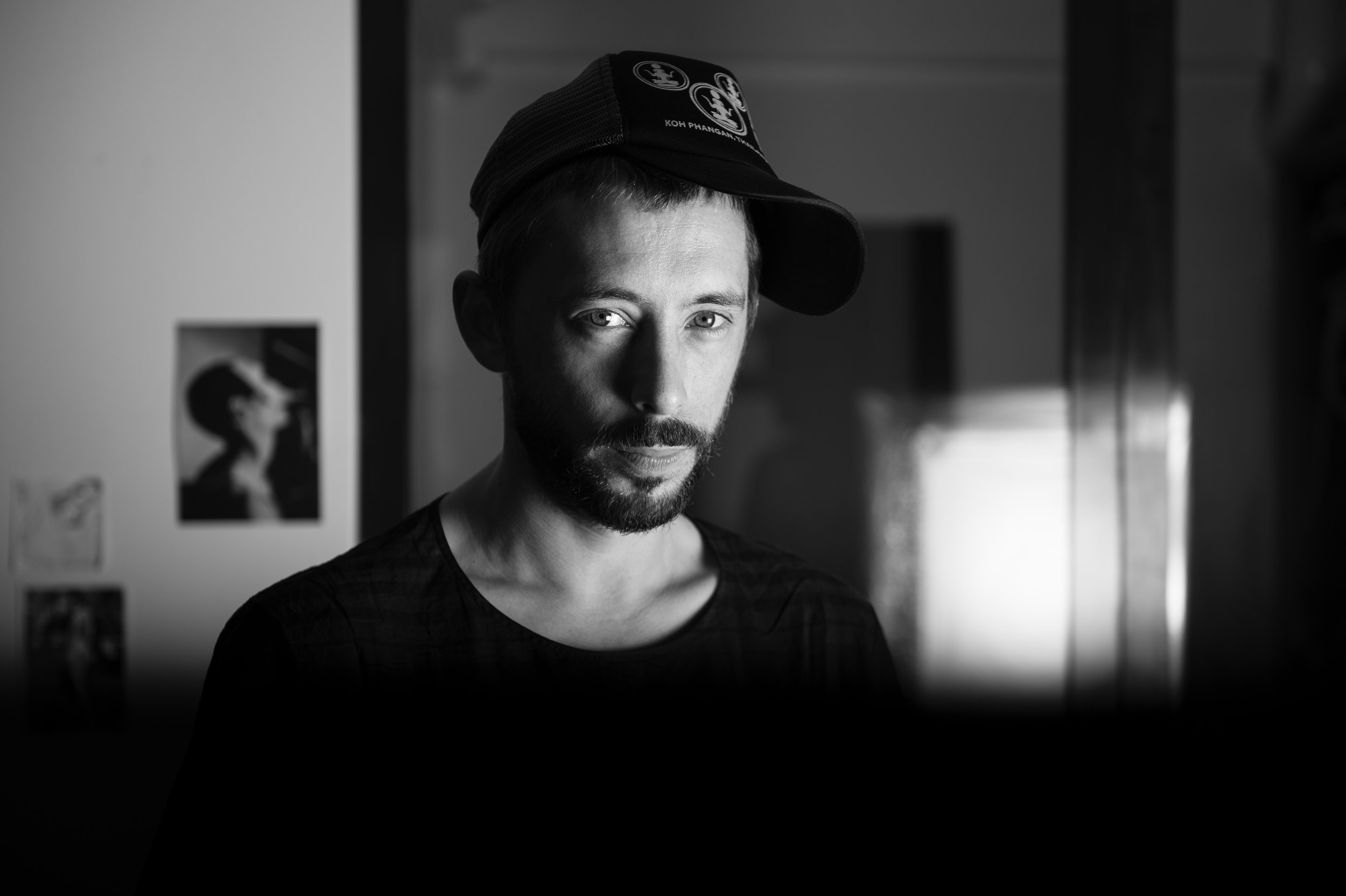
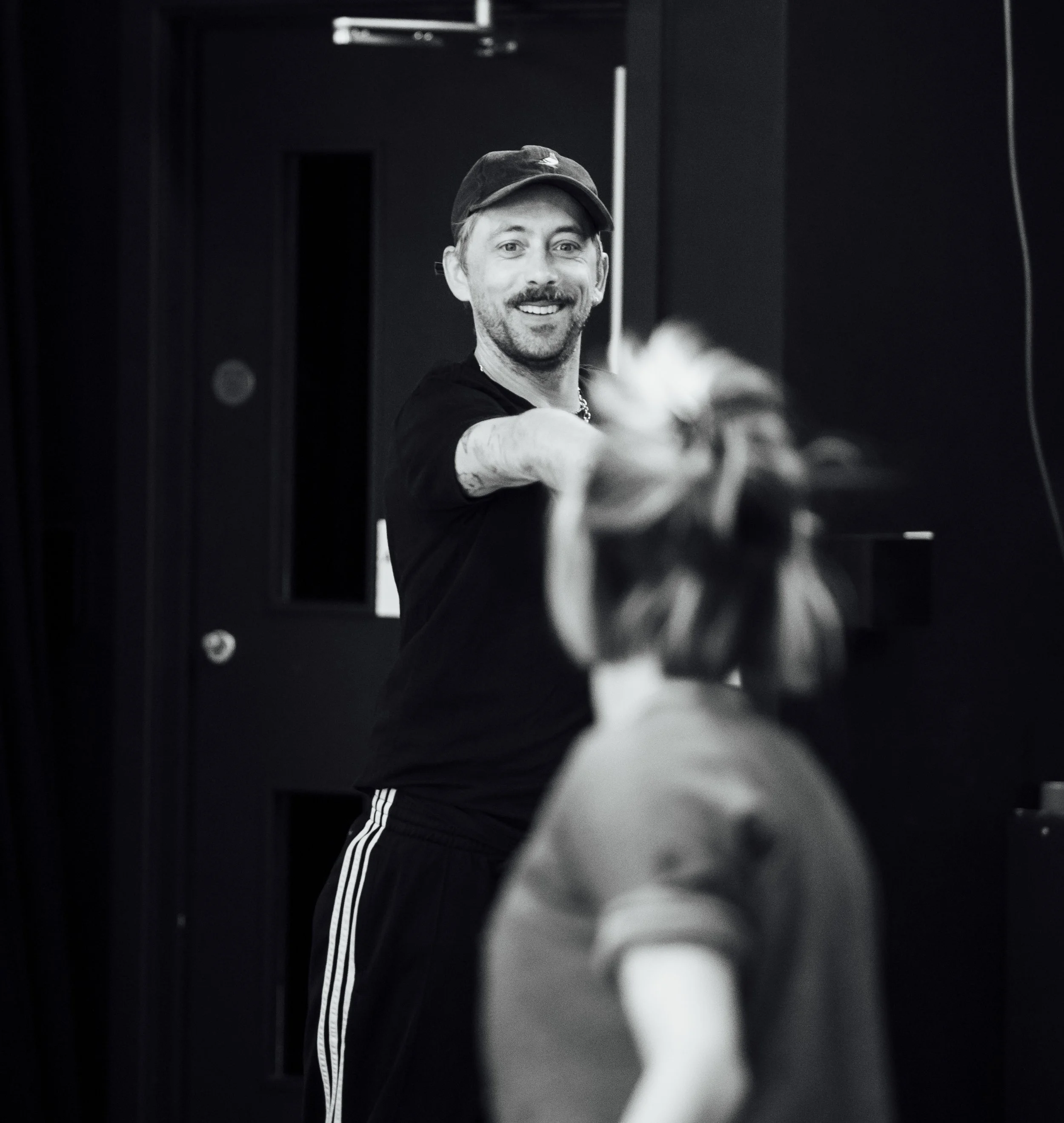
Belgian choreographer Jeroen Verbruggen is one of Europe's most distinctive and versatile dance-makers. Trained at The Royal Ballet School of Antwerp and Canada's National Ballet School, he first gained international attention after winning the Eurovision Contest for Young Dancers in 2001 with his self-choreographed solo Hyperballad.
As a dancer, Verbruggen performed with The Royal Ballet of Flanders before joining Les Ballets de Monte-Carlo, where he spent a decade working with some of the most influential choreographers of our time, including Jean-Christophe Maillot, Sidi Larbi Cherkaoui, Jiří Kylián and Marco Goecke. He was the original cast of the leading role in the creation of Goecke's Whiteout in 2008, forging a unique connection between the two works presented in this programme.
Since dedicating himself fully to choreography, Verbruggen has created more than forty works for companies across Europe, including Ballet du Grand Théâtre de Genève, Finnish National Ballet, Ballet Flanders, National Dance Company Wales, Ballett Basel, Leipziger Ballett and Staatsballett Hannover.
His choreographic world is richly cinematic, often blending fantasy, folklore, humour and darkness into works that are both visually striking and deeply human. Black Dog Noir, the world premiere of which you will see in this performance, marks his first collaboration with the company.
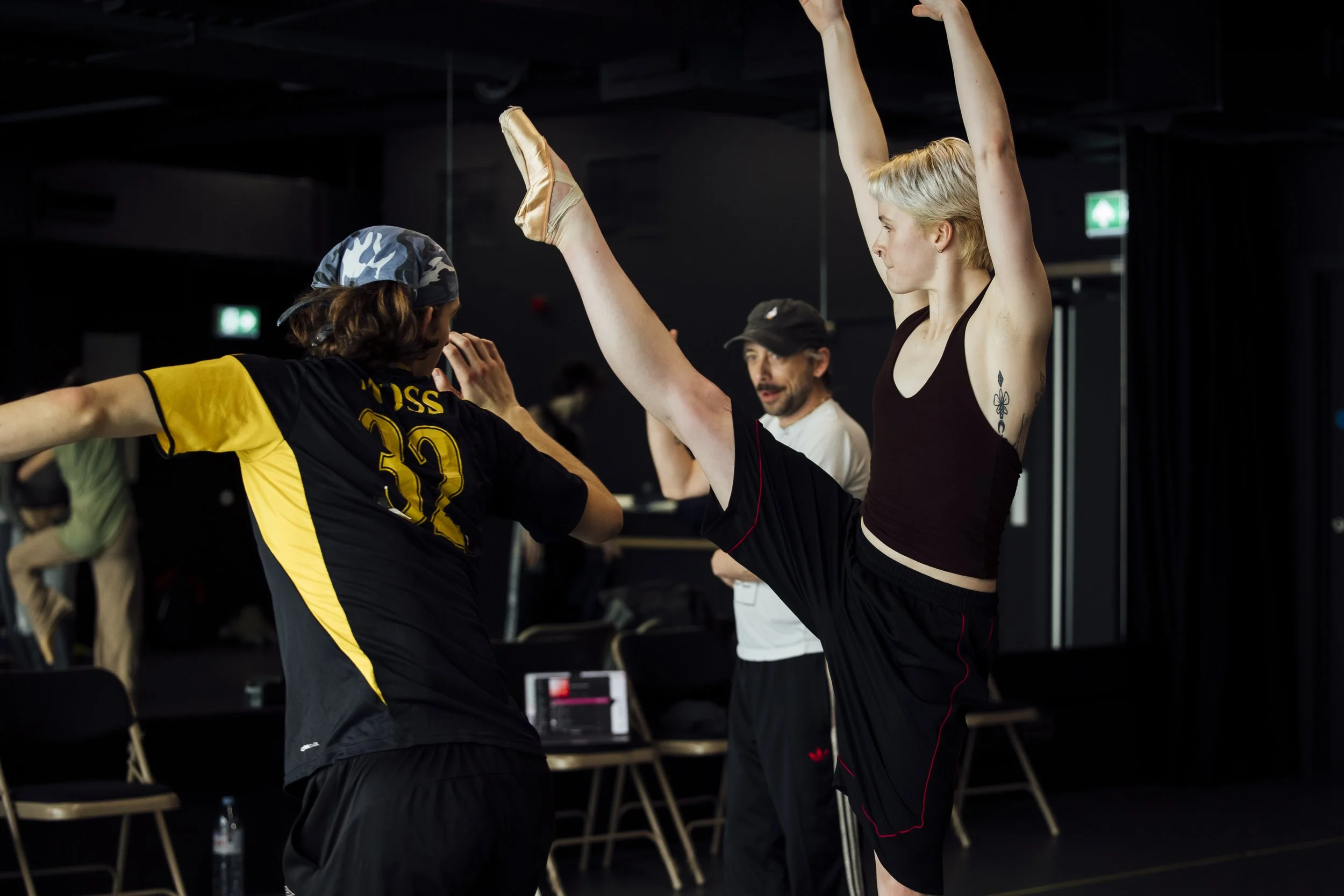
Assistant Louiz Rodriguez
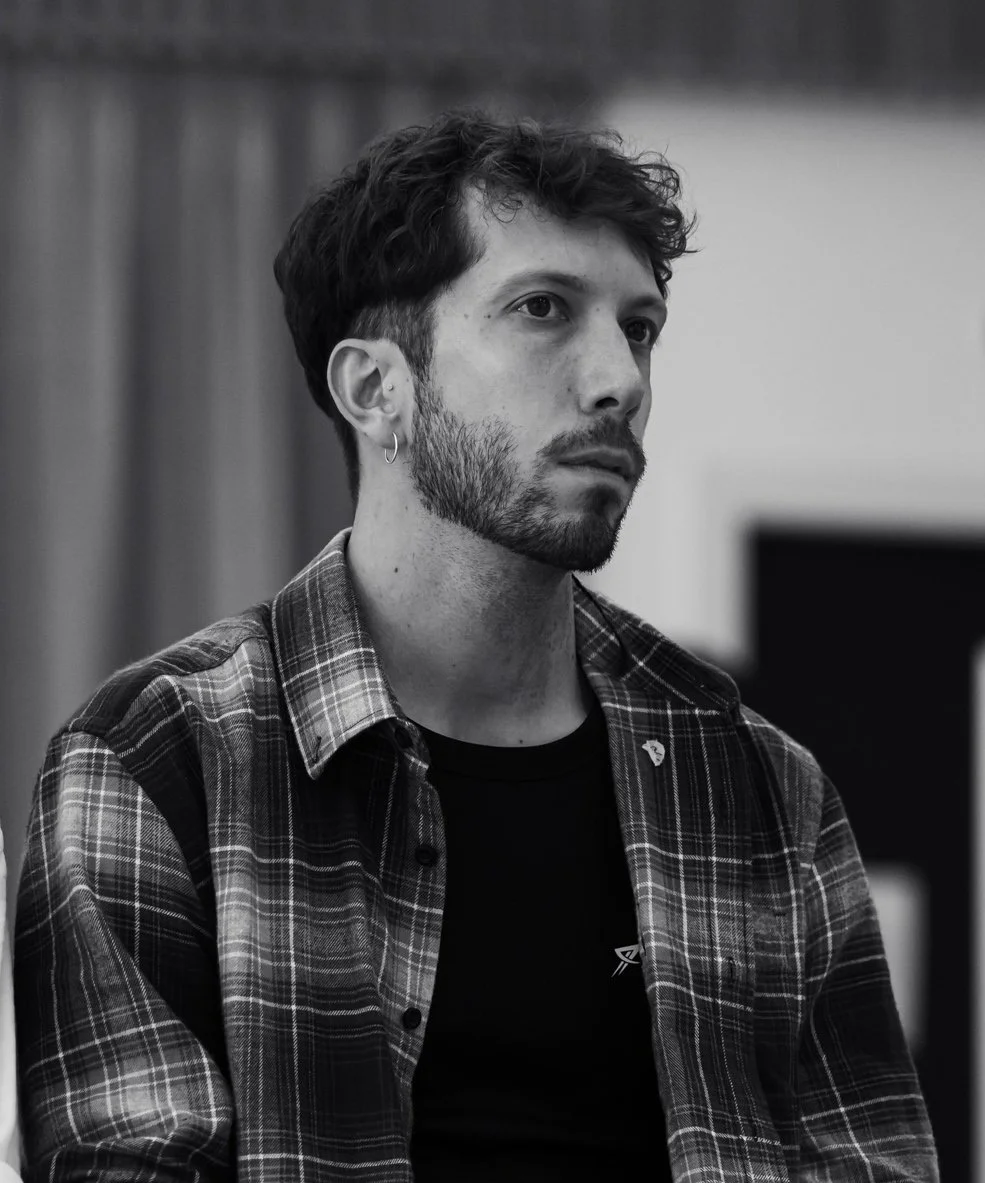
Louiz Rodrigues is a Brazilian-born freelance dancer, choreographer, and rehearsal director based in Karlsruhe, Germany. His professional career began in Brazil, where he performed with São Paulo Companhia de Dança. He moved to Germany over ten years ago, joining Ballet im Revier and later the Badisches Staatstheater Karlsruhe under Bridget Breiner, working with choreographers such as Nacho Duato, Jiří Kylián, Cathy Marston, David Dawson, Richard Siegal, Marco Goecke, and Jeroen Verbruggen.
As a rehearsal director, Louiz has assisted Bridget Breiner, Stina Quagebeur, and Kevin O’Day, and now joins Ballet d’Jèrri in that role for Black Dog Noir. As a freelance artist, he has continued to develop his own choreographic voice through projects presented across Europe, including at the Choreographic Center Heidelberg and the Short Wood Festival in Belgium.
Music
Salty dogs & Music for boys by Nico Muhly from the album “I drink the air before me”
Time to dry & Dog and frog by Nico Muhly & Teitur from the album “confessions”
Honeyed words by Anna Meredith from the album “Nuc”
Gaude (after anonymous gaudeamus omnes) by Holland baroque from the album “minne”
We played some open chords and rejoiced, for the earth had circled the sun yet another year by Adam Wiltzie & Dustin O’Halloran from the album A winged victory for the sullen.
Costumes Lili Délis-McCarthy
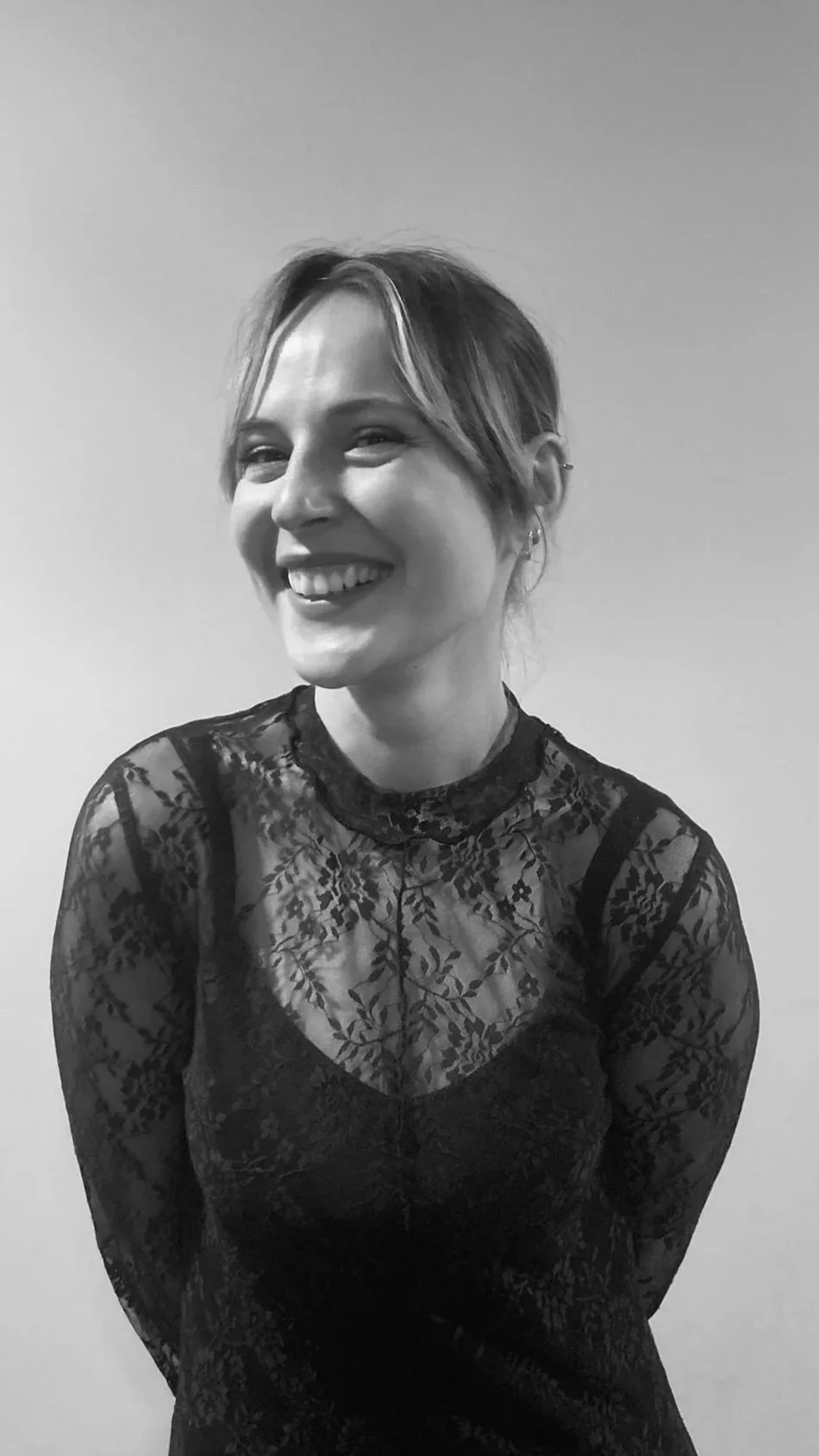
Lili-George is a Fashion designer based in Paris France, and graduated from the Institut Français de la Mode.
She works across all stages of garment creation, from concept development and pattern making to construction and finishing.
Her practice has naturally extended into costume design, where she explores the relationship between clothing and movement in performance. Working with dancers introduced a new approach to design, where garments are created to support and respond to the body in motion.
Black Dog Noir marks her debut as a costume designer and her first collaboration with a dance company.
Lighting KJ
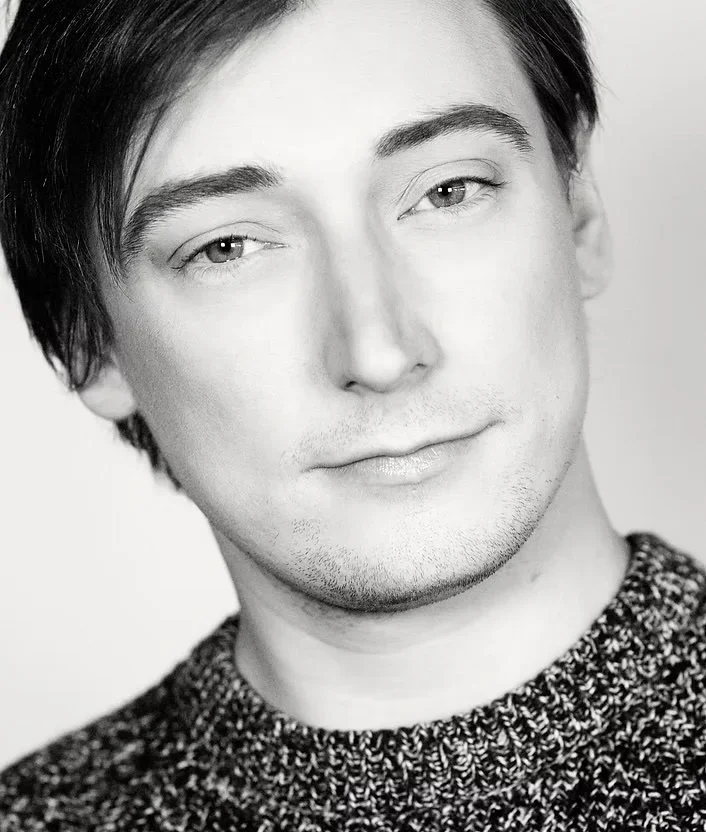
KJ is an internationally active lighting designer working across dance, theatre and opera. A graduate of the Association of Lighting Production and Design's prestigious 20:20 Lumière Scheme, they are known for creating visually evocative worlds that support and enhance storytelling on stage.
Their work has been seen with companies and venues including Birmingham Royal Ballet, Dutch National Ballet, Ballet Nacional de Cuba, the Royal Ballet's Draft Works, the Royal Opera House, Sadler's Wells and the Venice Biennale. Dance credits include Black Sabbath: The Ballet for Birmingham Royal Ballet, while theatre work includes productions of Little Shop of Horrors and Romeo & Juliet, reflecting a creative practice that moves fluidly between contemporary dance, theatre and opera.
Black Dog Noir marks KJ's first collaboration with Ballet d'Jèrri.
Headpieces
Kerry-Jane Warner
Lé Tchian du Bouôlay
The Black Dog of Bouley Bay is one of Jersey's best-known and most enduring legends. Said to haunt the cliffs and winding lanes above the bay, the great black hound was often described as enormous, with glowing eyes and the eerie sound of a chain dragging behind him. Some believed that encountering the dog foretold misfortune or an approaching storm, while others told stories of a mysterious guardian, leading travellers to safety or warning fishermen to stay ashore.
Like many of the Island's old stories, the legend has changed over time. Some suggest it grew from the imaginations of smugglers, who used tales of a phantom hound to keep curious locals away from the coast after dark. Yet the Black Dog has never been simply a monster. In Jersey folklore, it occupies a more ambiguous place: a creature of the shoreline and the storm, at once unsettling, protective and deeply woven into the landscape itself.
Jersey's Black Dog is also part of a much older family of legends found across the British Isles and beyond. From the Black Shuck of East Anglia to the Moddey Dhoo of the Isle of Man, tales of spectral black hounds appear in cultures around the world. Sometimes they are omens of death, sometimes guardians or guides, but almost always they stand at the threshold between the known and the unknown. It is this enduring and mysterious figure that lies at the heart of Black Dog Noir.