We start with a basic meditation
We go through the motions
Mind off
Doing what we're told
How do we then carry this practice throughout our day?
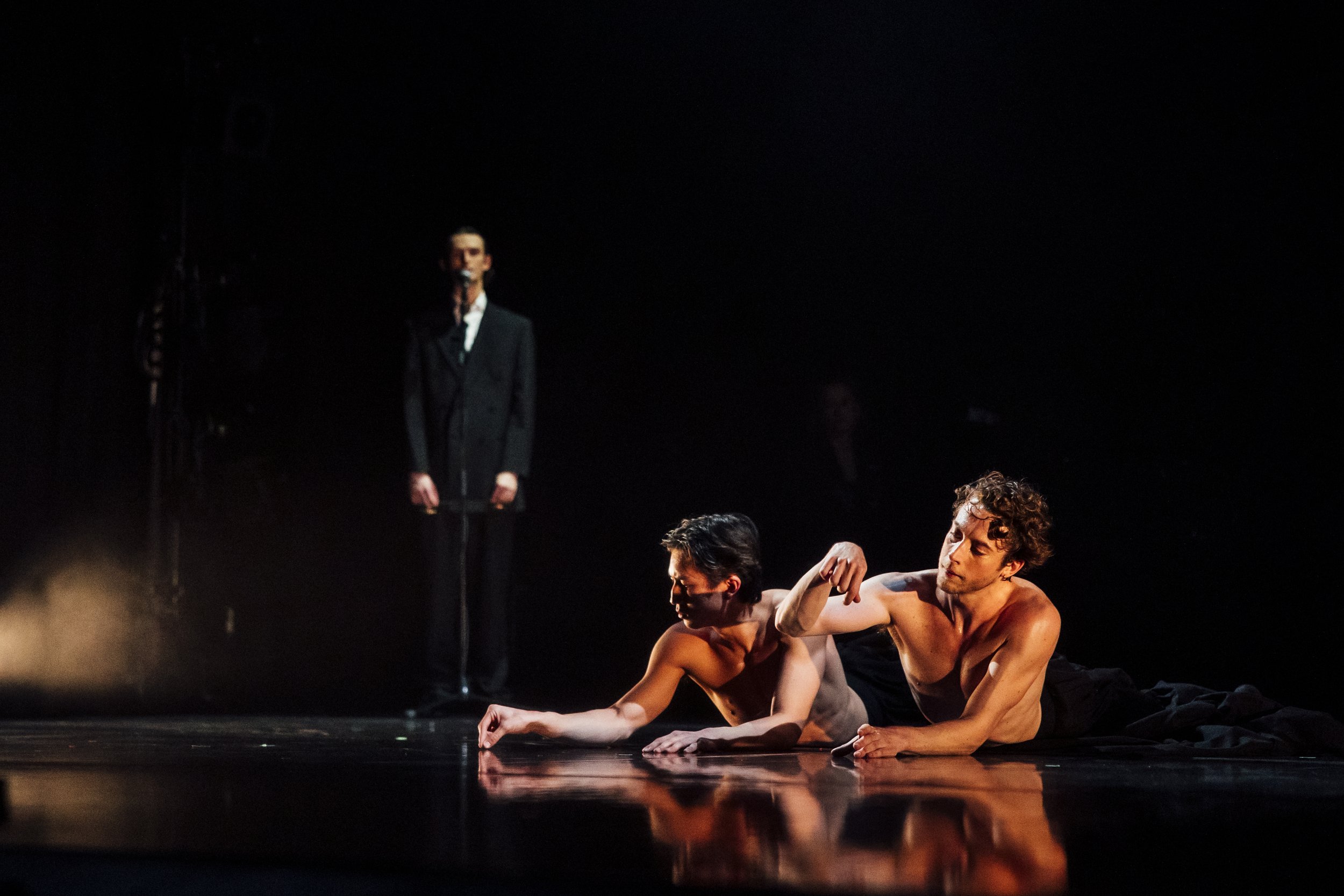
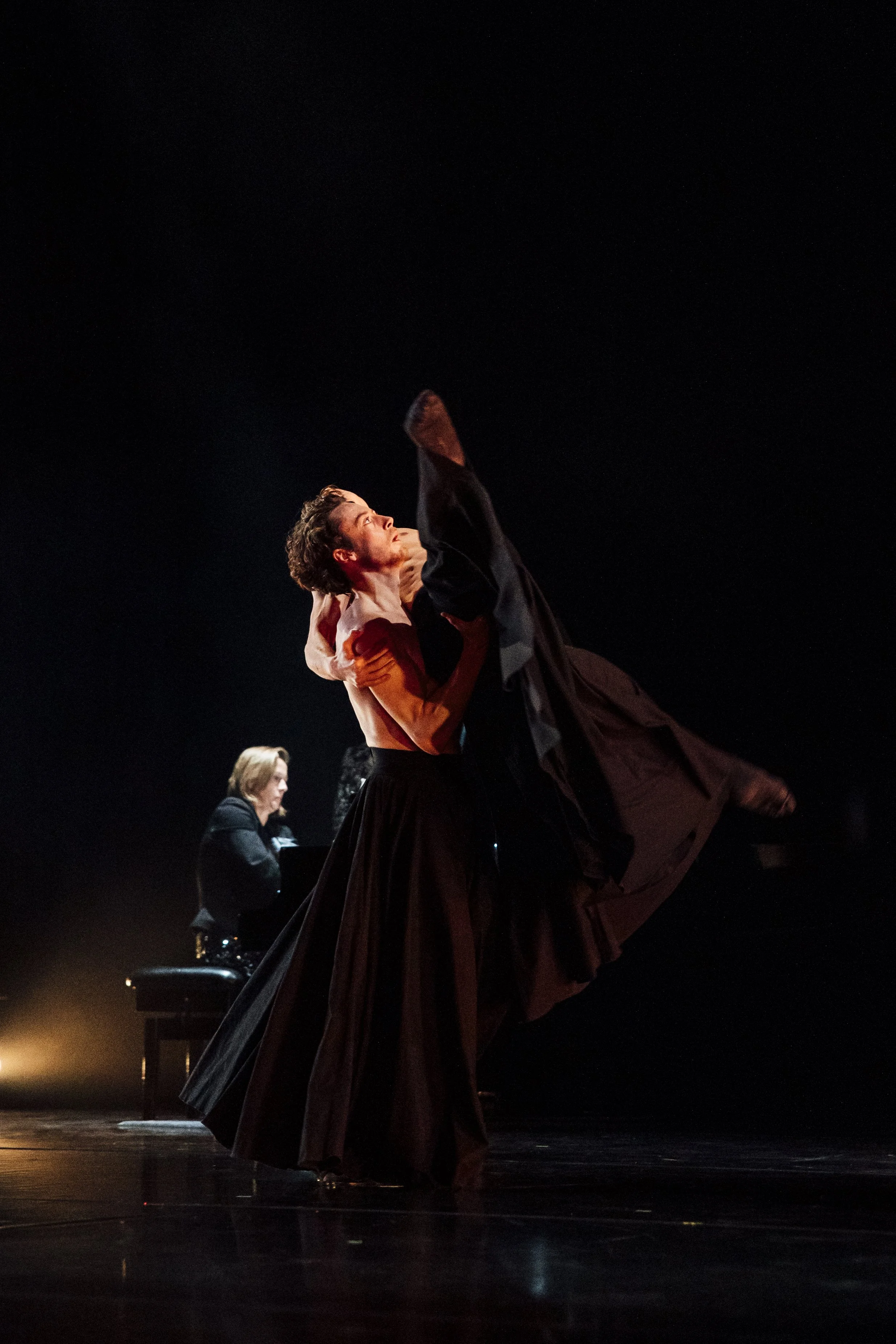
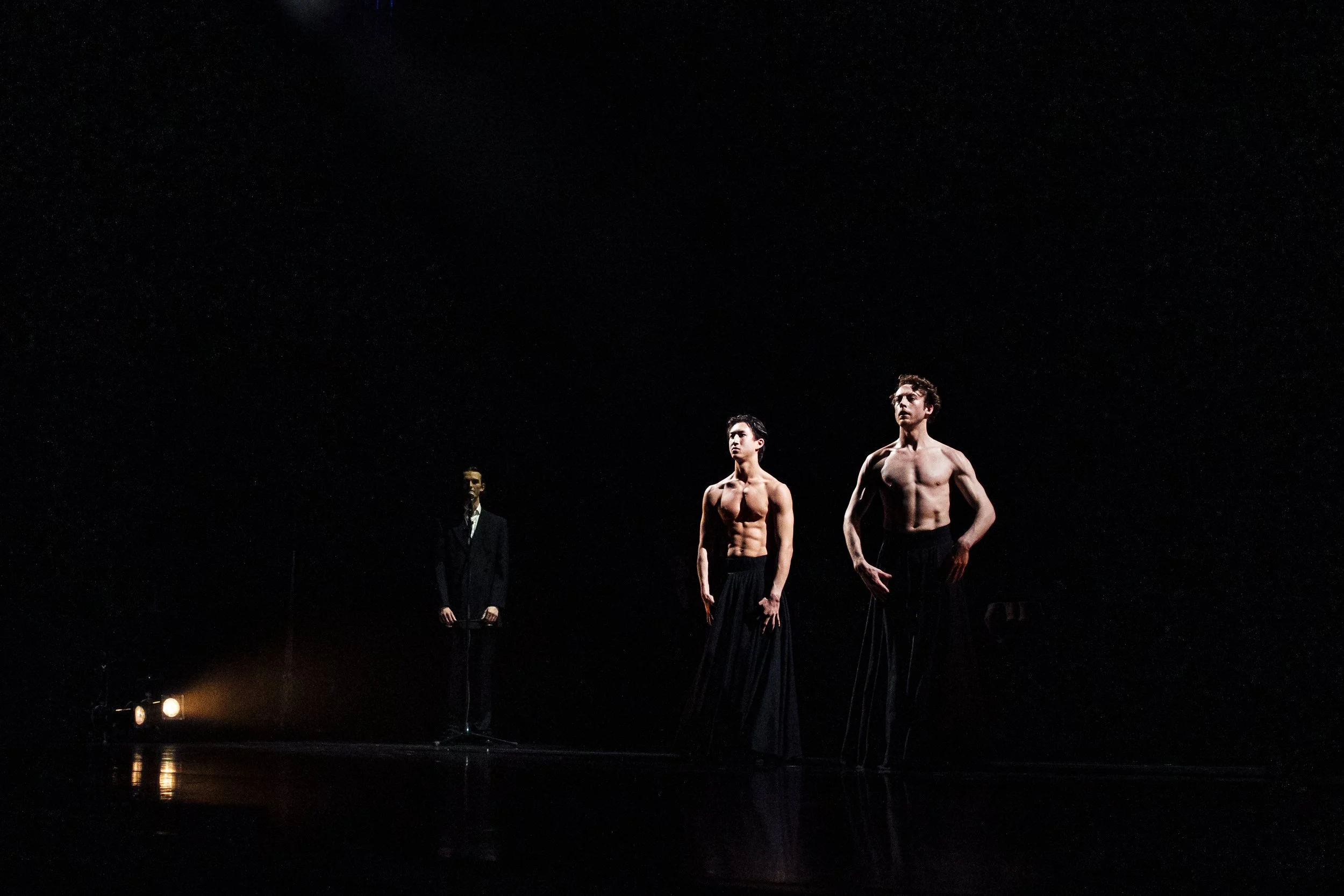
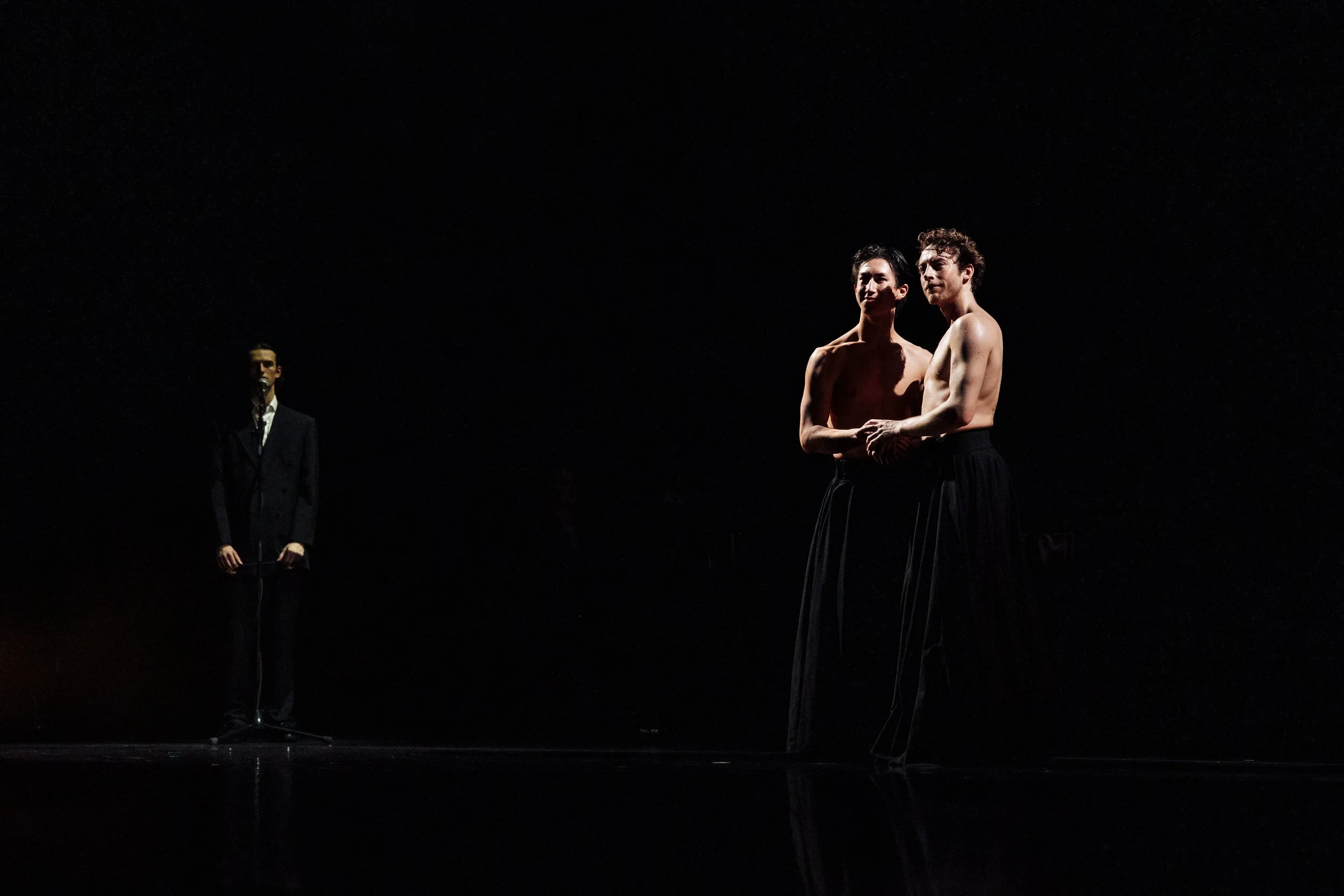
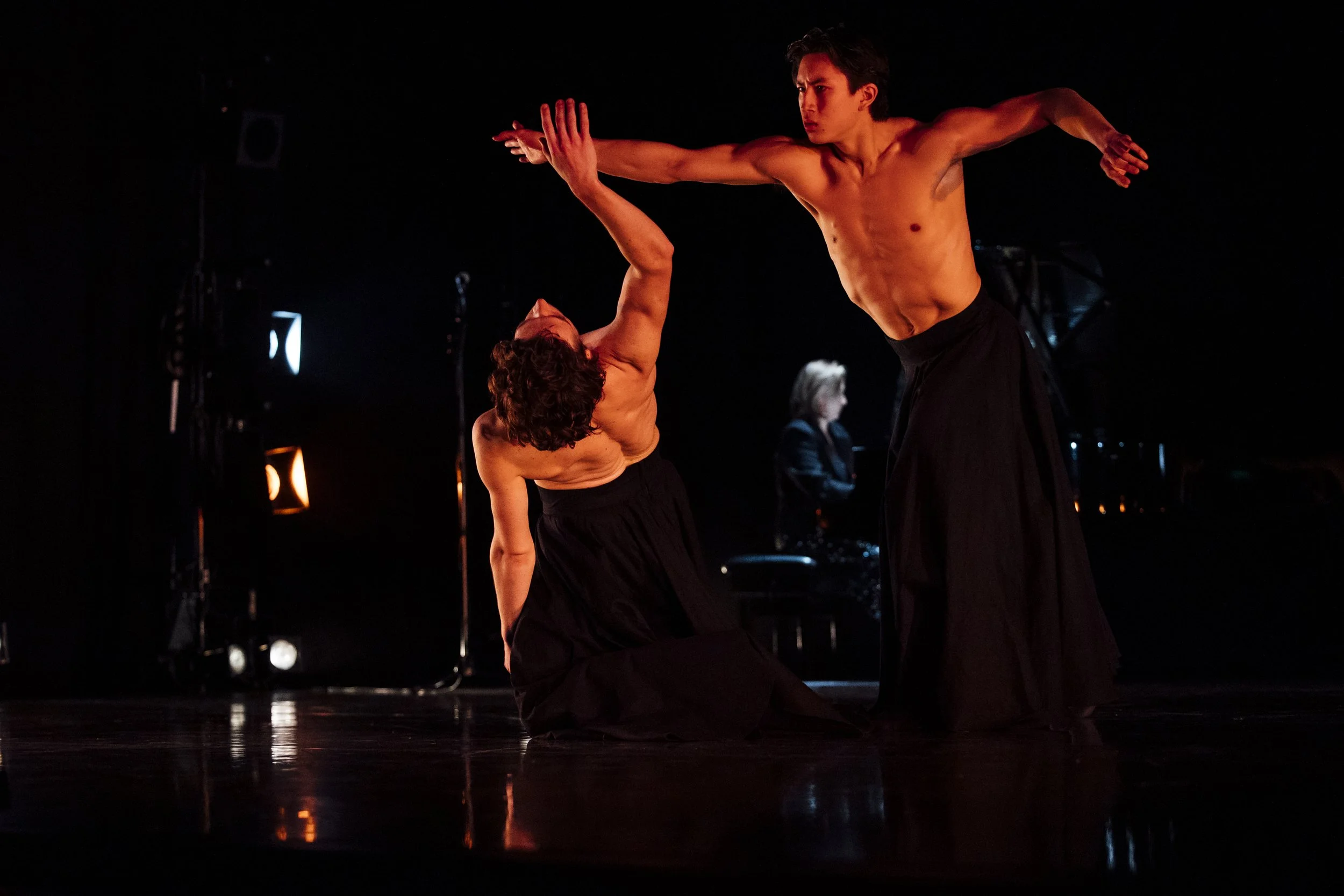
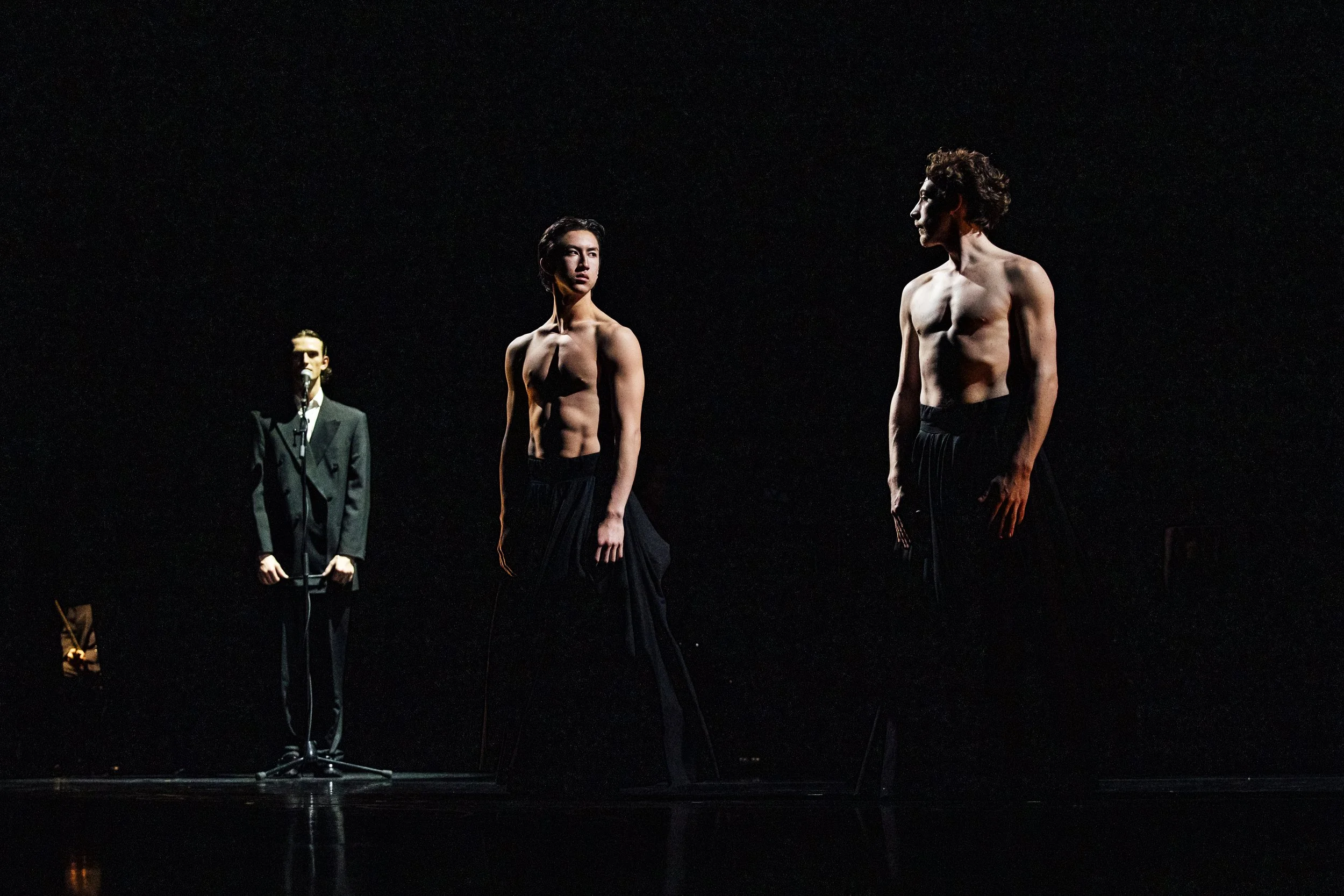
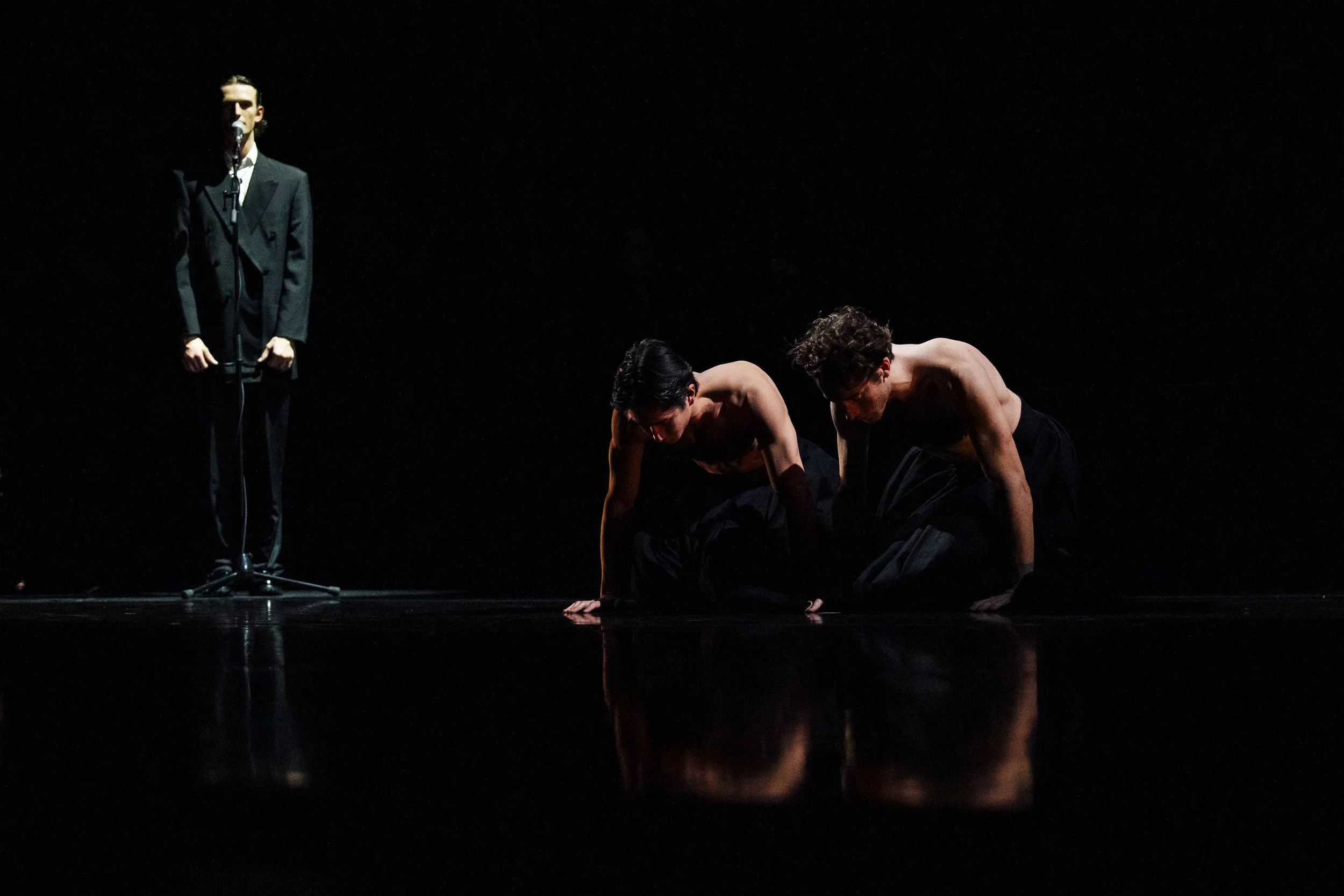
Meditative State is an inward journey through the mind’s conflicts and resolutions, shaped by the lived experience of meditation and mindfulness. The work traces the quiet accumulation of stress and anxiety within the performers, acknowledging stress as a response to an overactive mind, and understanding mental noise as both unnecessary and unproductive (Manocha, 2000).
The choreography seeks to embody how we show love, compassion, and empathy for others, while simultaneously navigating our own personal trials and uncertainties. As Newberg and Iverson (2003) observe, meditation offers a profound window into human consciousness, bridging mental states and body physiology, emotional and cognitive processes, and the biological underpinnings of spiritual experience.
Searching
Questioning
How do I lean on you for support?
How do I offer it in return?
Meditative State
Choreographer Tabitha Dombroski
Composer A. Scriabin — Vers La Flamme
Performers Roman Ho Zimballatti,
Donovan Délis-McCarthy
Anika Vavić, Stanley Young
Thanks from the Choreographer:
Thank you to Asier Edeso and Stanley Young for rehearsal directing and dramaturgy. Also to Roman and Donny for trusting me in this process and diving into a space of vulnerability and curiosity. Lastly, thank you to my respiratory physiotherapist, Abby Stewart, for her knowledge on the mechanics of breathing and the relation to nervous system regulation and dysfunction.

The choreographer
Tabitha began choreographing at 16, inspired by contemporary teacher Helen Winchester to use movement as a personal voice for expressing emotional and embodied states. Their first work, Breathe, was self-choreographed and performed in both Aotearoa, New Zealand and Germany.
During their studies at the John Cranko Schule, Tabitha placed in the top five of the Milan International Choreographic Competition withInvisible Patternsand presented three works in the 2019 John Cranko Schule Gala:Test run, Meditative State,andTo Cut the World.
Since then, Tabitha has created When the Party’s Over for Ballet Dortmund, as well as works for two New Zealand School of Dance Graduation Seasons, First and Reset run. They have set choreography on two youth companies: Efflorescence for Classical Collab and Contentedness (The Waves Between Us) for Taranaki Dance Company.
Their work also includes movement direction and choreography for Wellington Opera’s La Traviata, collaboration on Ballet Collective Aotearoa and Orchestra Wellington’s Miraculous Mandarin, and the creation of the Fringe work Sublime Interludes with Björn Åslund. Most recently, Tabitha choreographed and facilitated a collaboration between Ballet D’Jèrri and the CCA Art Gallery (Motion), and has restaged and re-imagined Meditative state for Ballet D’Jèrri.